A toilet overflow can range from a clean-water tank failure to a contaminated backup, and the two require very different cleanup steps. Crews respond 24/7 to assess the water type, extract it, and sanitize the affected area.

A crew arrives in about an hour and determines whether the overflow is clean water or contaminated, which sets the protective and cleanup protocol used.
Water is extracted from the bathroom floor and any adjoining rooms it reached, using dedicated equipment if the water is contaminated.
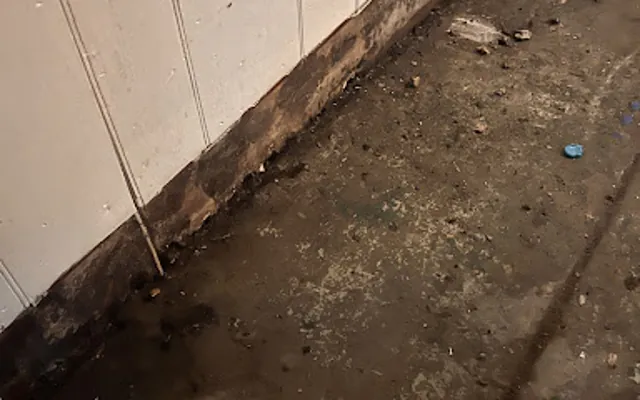
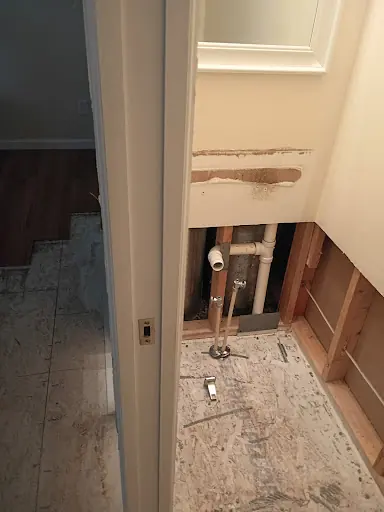
If the water was contaminated, flooring, baseboards, and any porous materials it touched are removed rather than dried in place.
Affected surfaces are cleaned and, if needed, sanitized, drying equipment brings the area to a verified moisture target, and the incident is documented for the insurance claim.

While help is on the way, these first steps, done only where it is safe, limit the damage and protect the insurance claim.
Shut the supply off at the source, or close the home's main valve if the source is not obvious. Stopping the flow limits the damage more than anything else.
Switch off electricity to the affected area, but only if the breaker can be reached without standing in or touching the water.
Get a crew dispatched right away. The sooner extraction and drying begin, the more flooring, drywall, and belongings can be saved.
Take photos and a short video of the water and the affected rooms before anything is moved, so the insurance claim starts strong.
Toilet overflow cleanup in Burbank generally runs from about $350 to $2,000, depending on whether the water was clean or contaminated and how far it spread beyond the bathroom. A contained clean-water overflow sits on the low end, while a contaminated overflow that reached a hallway or adjoining room and required flooring removal sits on the high end. Cleanup is commonly covered under a homeowner or renters policy for sudden overflows, and the crew documents the water type and affected materials for the insurance carrier.
Crews reach Burbank, Glendale, and the San Fernando Valley fast, from the Rancho District, Burbank Hills, and Magnolia Park to North Hollywood, Studio City, and Pasadena. See the full list on the areas served across Burbank page.
See all areas servedEvery loss is photographed, measured, and logged from the first visit, so the paperwork holds up with the insurance carrier.
Technicians follow recognized IICRC drying standards and prove it with daily moisture readings on Burbank homes, not guesswork.
Emergency dispatch any hour of the day or night, with a real crew on the way across the San Fernando Valley, not a callback in the morning.
A real crew dispatched any hour, not a callback in the morning.
Trained technicians following recognized IICRC drying standards.
Truck-mounted, portable, and submersible for any size loss.
The loss is documented and billed to the carrier directly.
No. A tank or fill-valve failure often overflows with clean water, while a backup from a clog or blocked line typically carries contamination. The water type is assessed on arrival to determine the right cleanup approach.
Clean-water overflows that are caught quickly often allow carpet to be dried in place. Contaminated overflows usually require removing any carpet or pad the water reached.
Aging sewer laterals and shared building stacks common in Burbank's older housing stock are more prone to blockages, root intrusion, and slow drainage that can lead to an overflow.
Sudden overflows are commonly covered under a homeowner or renters policy, and the cleanup crew documents whether the water was clean or contaminated to support the claim.
As soon as possible, especially if the water is contaminated, since bacteria and odor set in quickly and the water can spread to adjoining rooms through the flooring.
Burbank crews are on call 24 hours a day, local and fast, and can be on the way within the hour.
Call (747) 977-8570