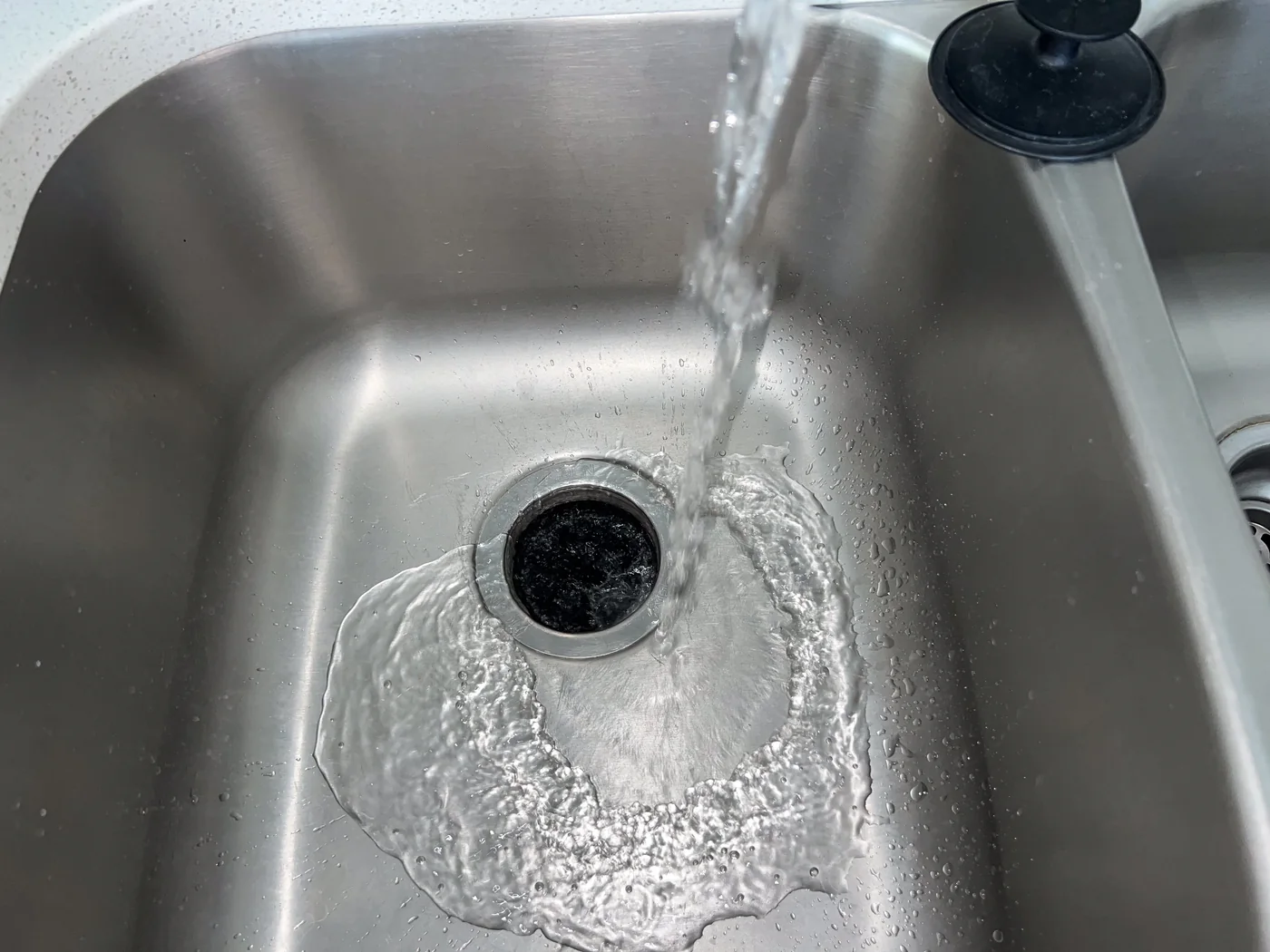
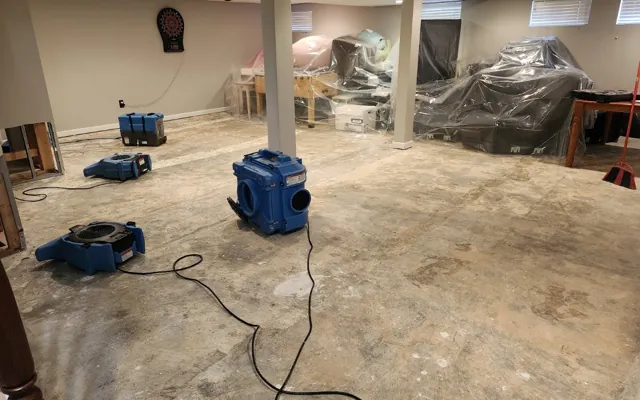
For Media District, CA residents, a faucet and fixture leak demands quick response. Local crews trace the source in mixed-use buildings and start extraction fast, following IICRC-standard methods to prevent water from spreading to adjoining units.

Technicians inspect every connection, from the shutoff valve to the fixture base, to pinpoint the leak's exact origin in Media District apartments and offices. This stops the water flow and defines the scope of damage.
Using moisture meters, the team checks cabinets, flooring, and adjoining walls to see how far the water traveled. This mapping is crucial in dense Media District buildings to prevent unseen moisture from spreading to another unit.
Swollen materials are removed if they cannot be dried properly. The crew then dries the area to a verified standard and provides a recommendation for a qualified plumber to replace the faulty part, preventing a repeat leak.

A fixture leak caught within days, limited to a cabinet floor or small area, typically runs from about $200 to $600 for extraction and drying, not including the plumber's charge to replace the worn part. A leak that ran undetected for months and reached flooring or multiple cabinet panels runs closer to $1,000 to $3,000 once affected materials are removed and replaced. Insurance coverage for slow leaks varies more than sudden ones, since some policies distinguish between a sudden failure and long-term seepage, so documentation of when the leak was found matters for the claim.
The Media District's large studio lots and surrounding multifamily buildings often have aging supply lines behind walls and flat roofs with complex drainage. When a faucet or fixture leak starts, it can travel along those lines or through interstitial spaces, threatening multiple units before it's even noticed. Flat roofs on commercial buildings, aging plumbing in mid-century multifamily structures, and the high density of units mean a small fixture leak here can affect more than one property. Slow leaks from worn connections are common and can go unnoticed in these busy buildings. From Media District, crews also cover nearby Magnolia Park, Rancho District, Toluca Lake, Burbank Hills, North Hollywood, Glendale. See every neighborhood and town on the full service area page.
See all areas servedEvery loss is photographed, measured, and logged from the first visit, so the paperwork holds up with the insurance carrier.
Technicians follow recognized IICRC drying standards and prove it with daily moisture readings on Media District homes, not guesswork.
Emergency dispatch any hour of the day or night, with a real crew on the way across the San Fernando Valley, not a callback in the morning.
A real crew dispatched any hour, not a callback in the morning.
Trained technicians following recognized IICRC drying standards.
Truck-mounted, portable, and submersible for any size loss.
The loss is documented and billed to the carrier directly.
Cost depends heavily on how long the leak ran and what materials are affected. A leak caught quickly, limited to a cabinet, often ranges from about 200 to 600 dollars for water removal and drying. If it ran for months and damaged flooring, costs for removal and drying can be closer to 1,000 to 3,000 dollars. The plumber's repair is separate.
Coverage varies. Some policies distinguish between sudden failure and long-term seepage. Documentation from the restoration crew about when the leak was found and its point of origin is critical for the claim. Technicians provide detailed reports that help establish the timeline and extent of the damage for insurers.
Crews are on call 24 hours a day and can be on the way to Media District within the hour.
Call (747) 977-8570